


Dry September Challenge: Go Caffeine-Free for 30 Days
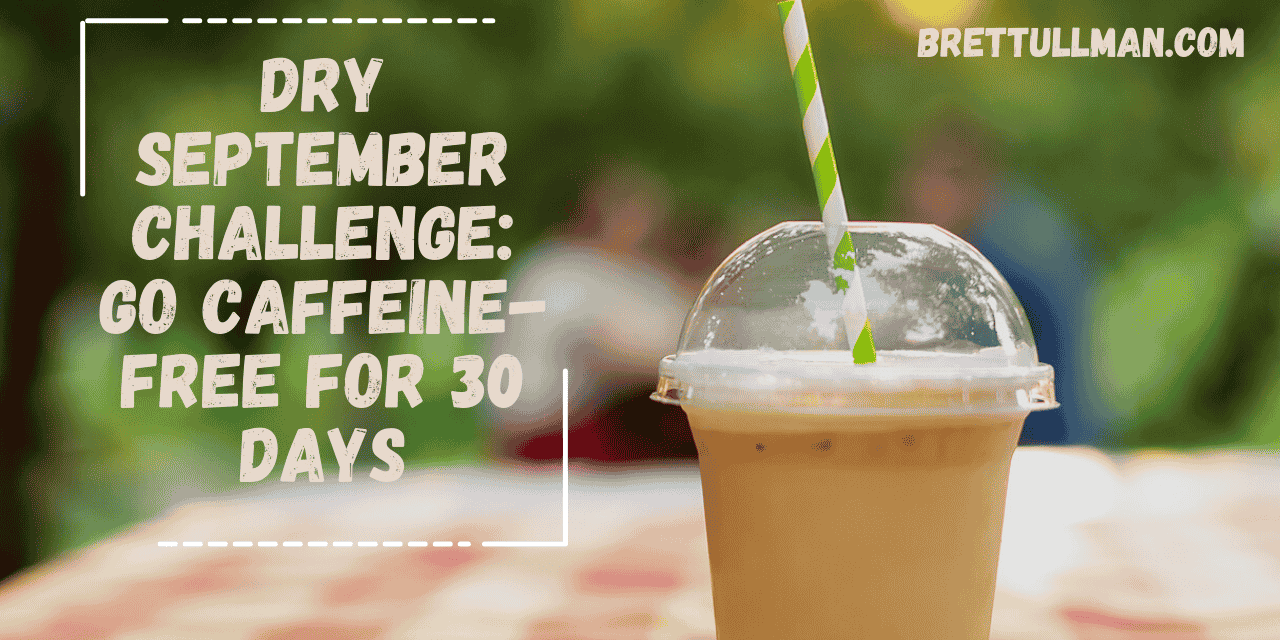
Most people think of “Dry January” as a challenge not to drink alcohol. But what if this September, you tried going dry… from caffeine? I have to be upfront, I love my coffee. To be more precise, I love my Vanilla/Almond double espresso, iced with unsweetened almond milk. I like this with a glass straw in a mason jar.
Caffeine, for many of us, is so woven into our daily routines — coffee in the morning, an afternoon tea, a pre-workout energy drink — that we often don’t realize how much it affects our body and mind until we take a break. For many of you, I assume you might have gone a day without coffee, but not for a month. As a psychotherapist, I often have clients struggling with anxiety who, at the same time, are drinking large amounts of caffeine daily. When this caffeine is decreased, they see many benefits to their mental health.
I’m challenging you to do Dry September: Caffeine Edition. No coffee, no tea, no caffeinated pops (soda for my US friends), no energy drinks — just 30 days to see how your body responds without that daily hit of caffeine.
Why do this challenge?
Caffeine isn’t “bad” for everyone, and has some great benefits, but it is a stimulant, and your body can adapt to (and depend on) it. Removing it for a month can help you see how much it’s impacting you in ways you may not have noticed.
Things to Watch For (Possible Benefits)
Over the month, keep a short daily log or journal to track changes. Here’s what to pay attention to:
Sleep Quality
1. Are you falling asleep faster?
2. Are you waking up fewer times in the night?
3. Are your dreams more vivid or your REM sleep longer?
4. If you use an Apple Watch, Fitbit, or Oura Ring (as I do), do you notice any changes over the month in all the sleep metrics?
Energy Levels
1. Do you have fewer afternoon crashes?
2. Are your energy levels more consistent throughout the day?
Anxiety & Stress
1. Are you feeling calmer?
2. Are your thoughts less “racy” or your heart rate steadier?
3. If you struggle with anxiety, has your anxiety decreased at all?
Mood
1. Are you less irritable in the morning?
2. Are your emotional highs and lows more balanced?
Hydration & Digestion
1. Are you drinking more water now?
2. Do you notice changes in digestion or less stomach upset?
Heart Rate
1. Is your resting heart rate lower or your HRV (Heart Rate Variability) if you are tracking these?
2. Is your body feeling less “wired” during the day?
A Heads-Up: Withdrawal Is Real
For the first few days, you might notice headaches, irritability, or fatigue. This is normal and should pass within a week. Drink plenty of water, get some fresh air, and remember that your body is simply recalibrating. What I am doing is decreasing from my two double espressos a day in Aug down to 1. In the next week, I will drop that to a single espresso a day.
How to Start
1. Select your start date (September 1 if you’re participating in the whole challenge).
2. Remove caffeine sources from your house so you will not be tempted. Could you put them in your basement or garage to keep them out of the way?
3. Swap your drinks for herbal tea, decaf coffee, or especially water.
4. Keep a short daily note on your sleep, mood, and energy.
By the end of September, you might find you sleep better, feel calmer, and have steadier energy without relying on caffeine. Or, you might discover the exact role caffeine plays in your life — and decide to keep your intake lower.
I would love to hear about the experiences of anyone taking part throughout the challenge.
So… are you in?